
Overcome Resource Guide
Addiction Recovery: Real Stories and Practical Steps to Rebuild After Rock Bottom
Addiction recovery is not just about quitting a substance. It is about telling the truth, rebuilding trust with yourself, finding structure again, and learning how to live without using pain as a reason to disappear.
If you are here because addiction has touched your life, your family, or someone you love, start with this: recovery is possible, but it usually does not look neat from the outside. On Overcome With Travis White, guests have shared stories of alcohol addiction, cocaine use, trauma, PTSD, jail, grief, relapse, shame, sobriety, and the slow work of becoming a person they could respect again.
This guide brings those stories together so you can find the episodes and articles that meet you where you are. Some are about rock bottom. Some are about rebuilding routines. Some are about faith, purpose, therapy, music, fitness, and the daily decisions that make recovery real.
Choose Your Next Step
Recovery can begin with understanding the pattern, hearing from someone who rebuilt, or reaching for support.
Start Here If You Feel Stuck
When someone is in the middle of addiction, the hardest step is often not the dramatic one. It is the honest one. It is admitting that the thing that once helped you cope is now costing you your health, your relationships, your peace, or your future.
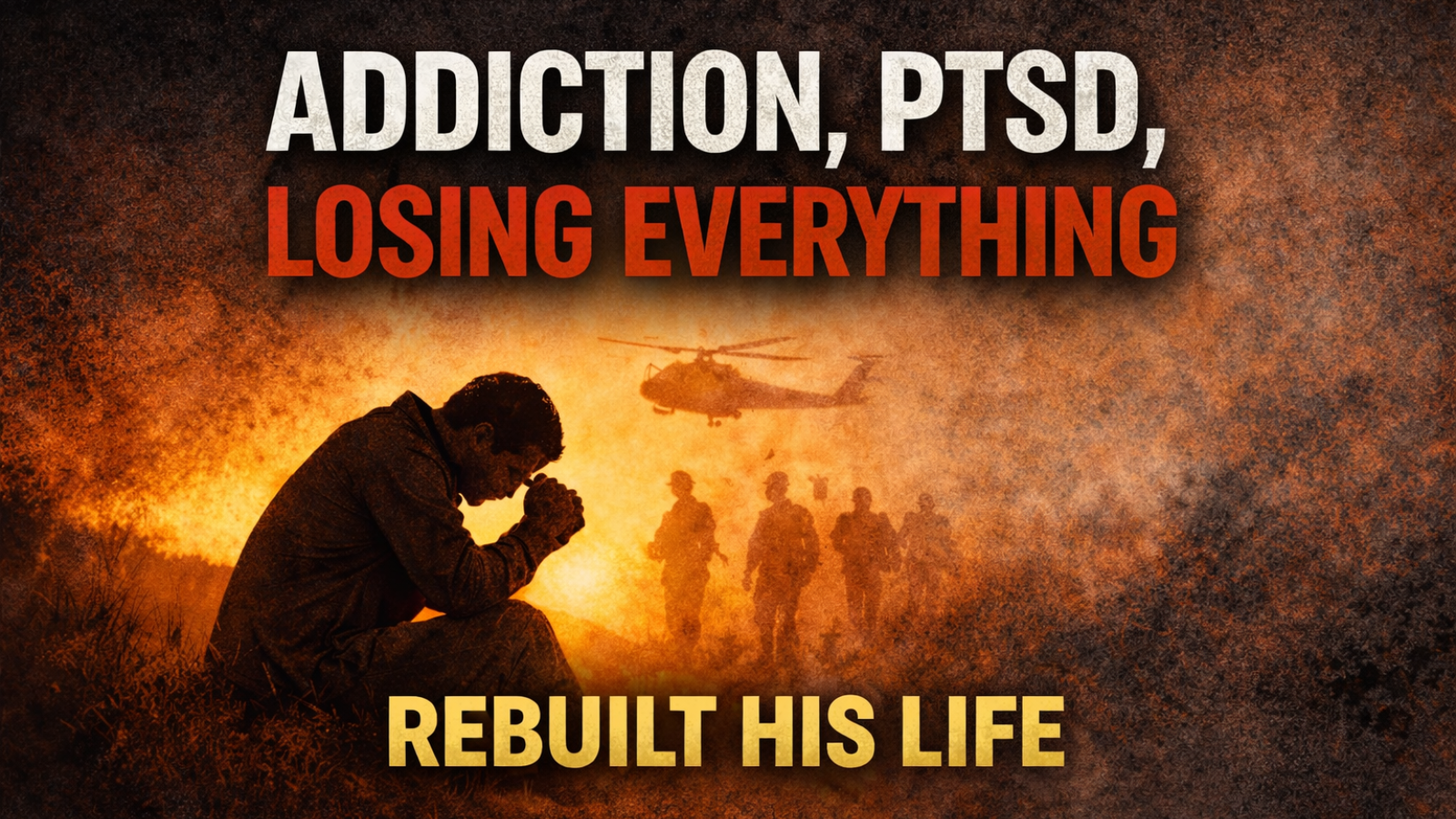 Featured StoryAddiction, PTSD, and Rock BottomRyan Reichert on losing everything and rebuilding life after addiction.
What Addiction Recovery Really Looks Like
Recovery often begins before the outside world sees a change. It starts when avoidance stops working. It starts when the consequences become too loud to ignore. It starts when someone finally says, “I cannot keep living this way.”
That moment matters, but it is not the whole journey. The people featured on Overcome describe recovery as a process of replacing destructive patterns with something stronger: routines, honesty, community, faith, service, therapy, movement, and purpose. It is not one decision. It is the same decision made again and again, especially on the days when old patterns feel easier.
Recovery After Trauma, PTSD, and Shame
Addiction is often connected to pain that has not been processed. Trauma, PTSD, grief, abuse, family dysfunction, and shame can all become fuel for habits that numb the body while quietly destroying the person.
That is why recovery cannot only be about stopping the behavior. It also has to include healing the wound underneath it. Dr. Cali Estes makes this point clearly in her story: addiction is often the visible symptom of something deeper that needs attention, compassion, and a better plan.
Read Dr. Cali Estes on trauma, addiction recovery, and finding purpose after rock bottom.
Sobriety, Identity, and Purpose
One of the biggest questions in recovery is not only “How do I stop?” It is “Who am I becoming now?” Without a stronger identity, old habits can rush back into the empty space. Purpose gives recovery direction. It gives the hard days a reason.
For some guests, purpose came through helping others. For others, it came through music, fitness, faith, family, or learning to tell the truth after years of hiding. The common thread is that healing became more sustainable when life started pointing somewhere meaningful.
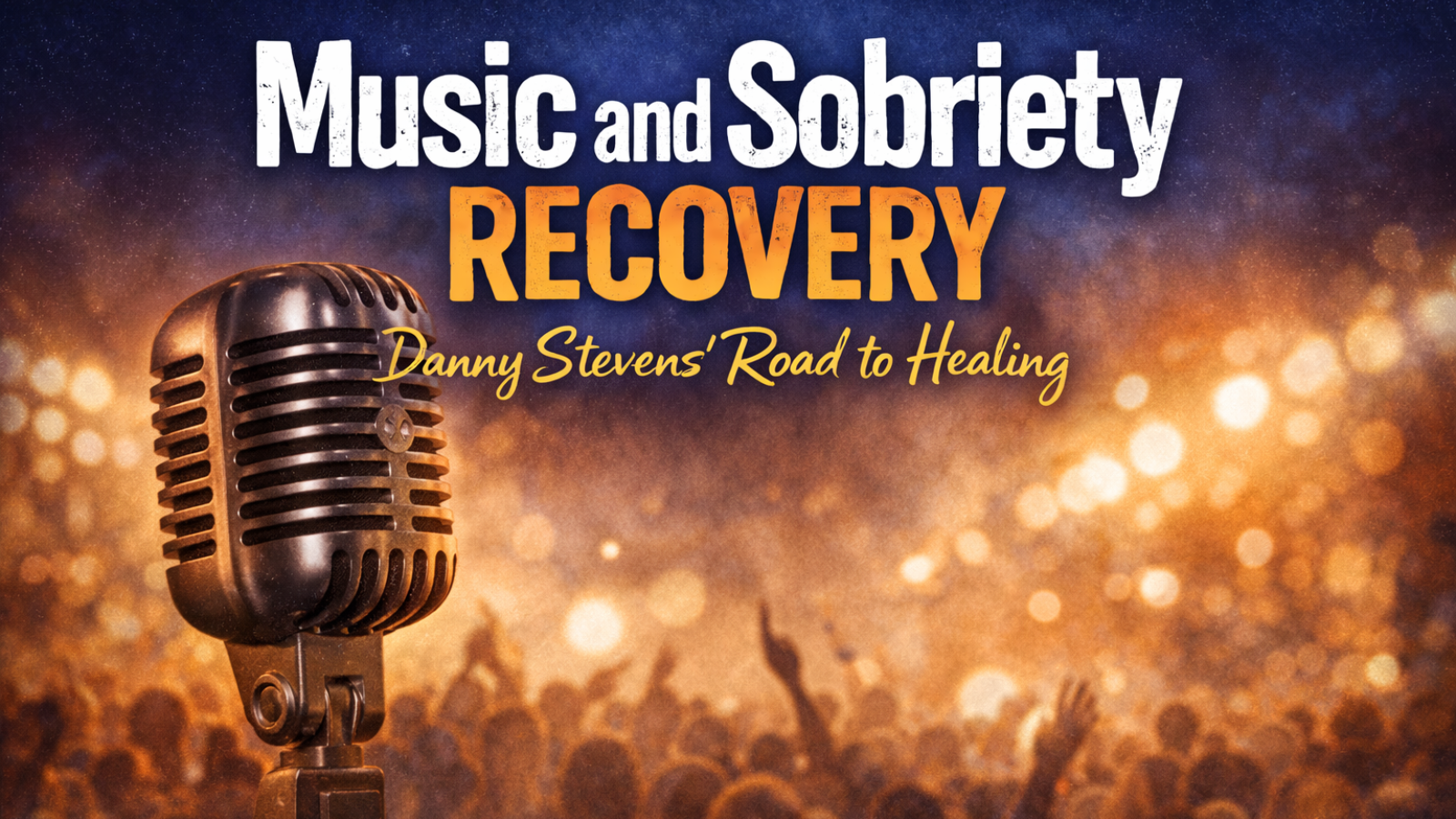 Featured StoryMusic and SobrietyDanny Stevens on healing, identity, and the road to recovery.
Practical Recovery Themes From These Stories
- Tell the truth early. Addiction thrives in silence, secrecy, and avoidance.
- Build structure. Routines give your day shape when motivation is unreliable.
- Move your body. Fitness is not a cure-all, but it can rebuild confidence and self-trust.
- Change your environment. Some people, habits, and places keep old cycles alive.
- Find accountability. Recovery is harder when no one knows what you are fighting.
- Address the deeper pain. Trauma, grief, shame, and anxiety often need real support.
- Create purpose. A meaningful future makes it easier to leave destructive patterns behind.
Podcast Episodes to Listen To
Frequently Asked Questions About Addiction Recovery
What is the first step in addiction recovery?
The first step is usually honest awareness: admitting that the current pattern is harming your life and that you need support, structure, or a different path. For some people, that means treatment. For others, it starts with telling one trusted person the truth.
Can addiction recovery happen without hitting rock bottom?
Yes. Rock bottom is not a requirement. Many people begin recovery when they recognize the direction their life is heading and decide to change before the consequences get worse.
Why do people relapse?
Relapse can happen when the deeper reasons behind the addiction are not addressed, when support disappears, when stress rises, or when old environments and habits stay unchanged. Relapse is serious, but it does not mean someone is beyond help.
What helps people stay sober long term?
Long-term recovery often depends on a combination of support, honest relationships, healthier routines, professional help when needed, purpose, and a willingness to keep making better choices even when motivation is low.
You Can Rebuild
Addiction can convince a person that their story is already over. The stories on Overcome say something different. People lose things. People hurt people. People hurt themselves. But people can also get honest, ask for help, rebuild trust, and become stronger than the version of themselves that was only trying to survive.
Start with one story. Take one honest step. You are not beyond rebuilding.