
Overcome Resource Guide
Resilience: Real Stories and Practical Ways to Keep Going
Resilience is not pretending life is easy. It is the daily work of responding to setbacks with honesty, support, discipline, purpose, and the courage to keep rebuilding.
If you are here because life has knocked you sideways, you are in the right place. Resilience is one of the central themes of Overcome With Travis White: guests talk about grief, illness, injury, addiction, anxiety, identity loss, faith, mindset, and the practical choices that helped them keep going when quitting would have made sense.
This guide brings those stories together. Some are about rebuilding after trauma. Some are about mental strength under pressure. Some are about faith, self-awareness, mentorship, and changing the way you respond when life does not go according to plan.
Choose Your Next Step
Resilience grows through perspective, practice, and connection. Begin with the kind of encouragement you need today.
Start Here: Resilience Is Built, Not Born
Resilience is often described like a personality trait, but the stories on Overcome show something more hopeful. People build it through repeated choices: telling the truth, accepting help, creating routines, practicing gratitude, moving their body, guarding their inputs, and choosing a better response after painful events.
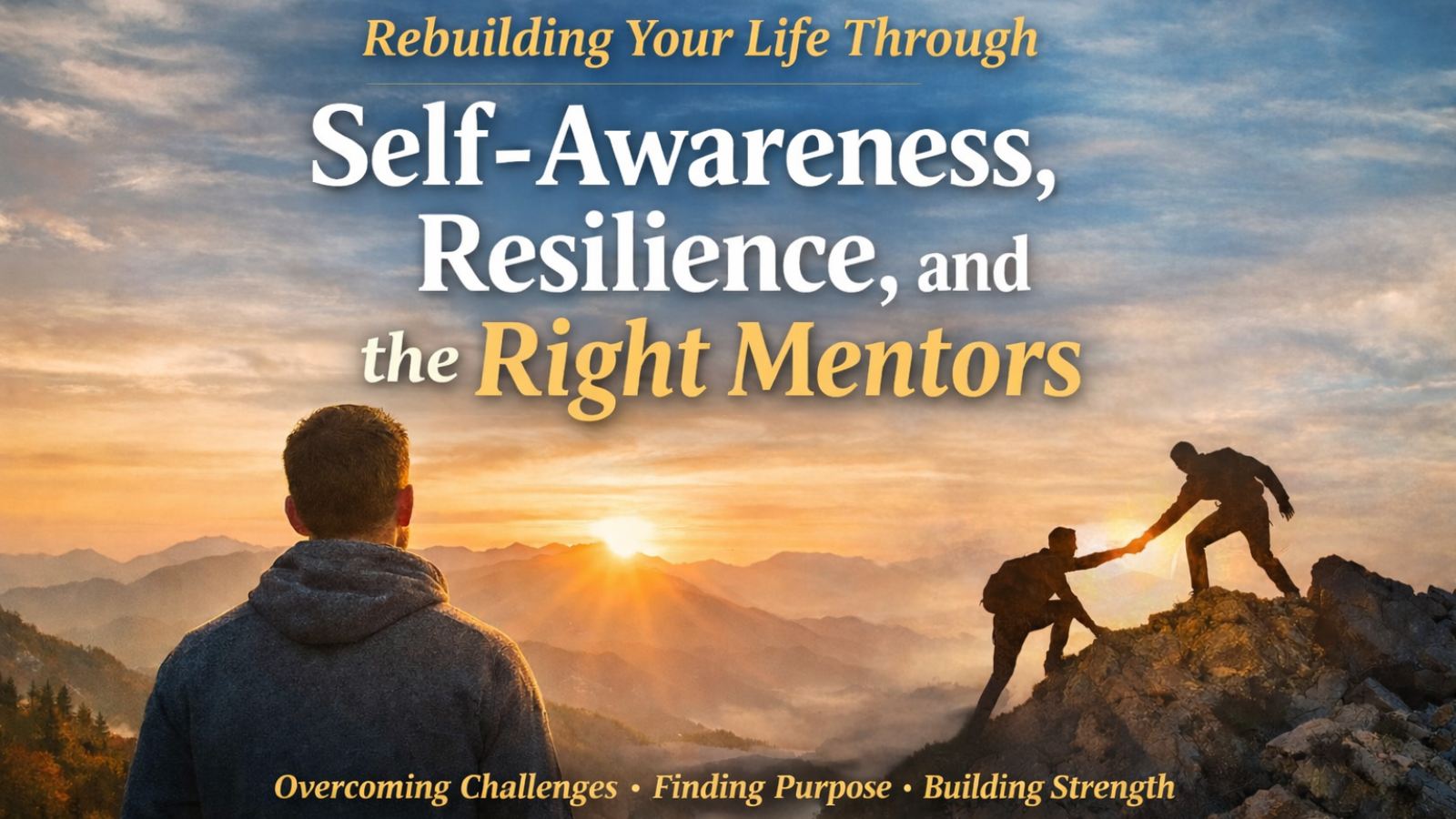 Featured StorySelf-Awareness and ResilienceWalter Dusseldorp on mentorship, gratitude, wellness, and building resilience through honest self-awareness.
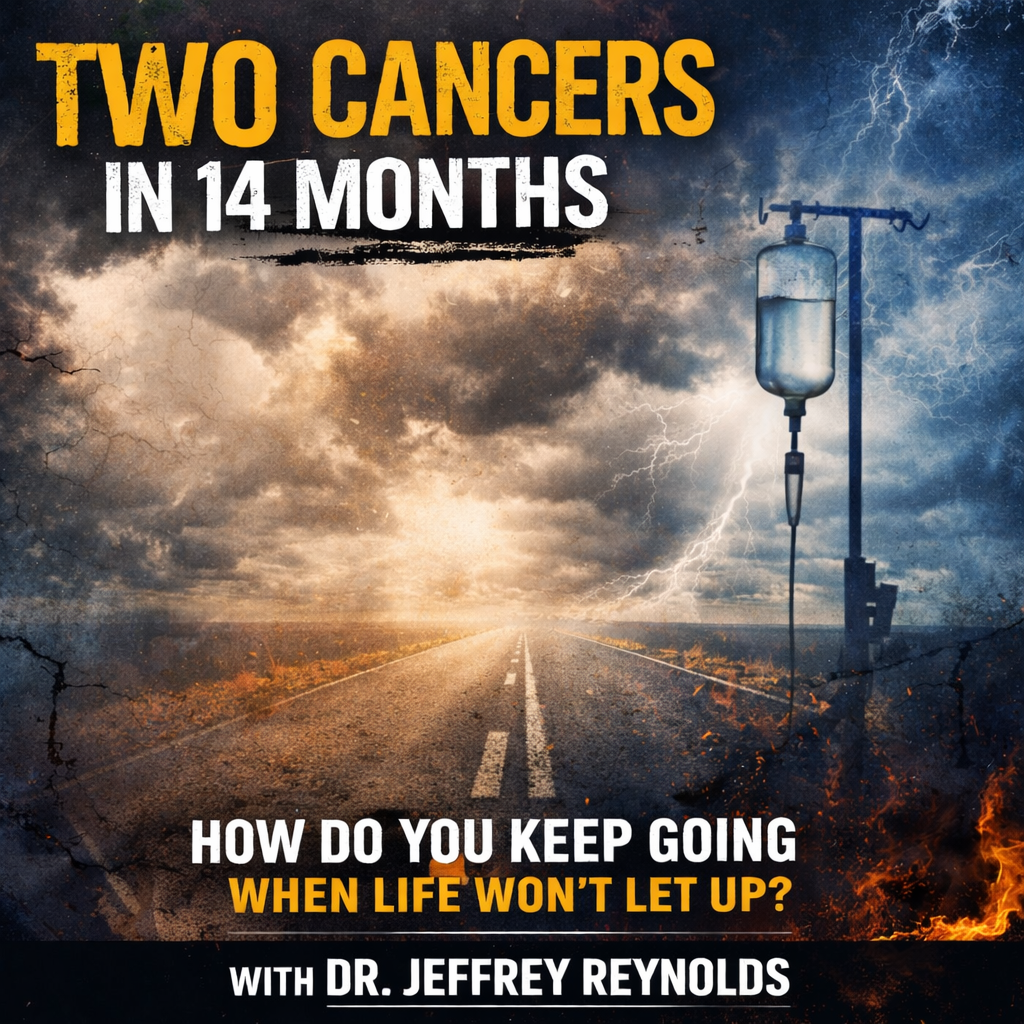
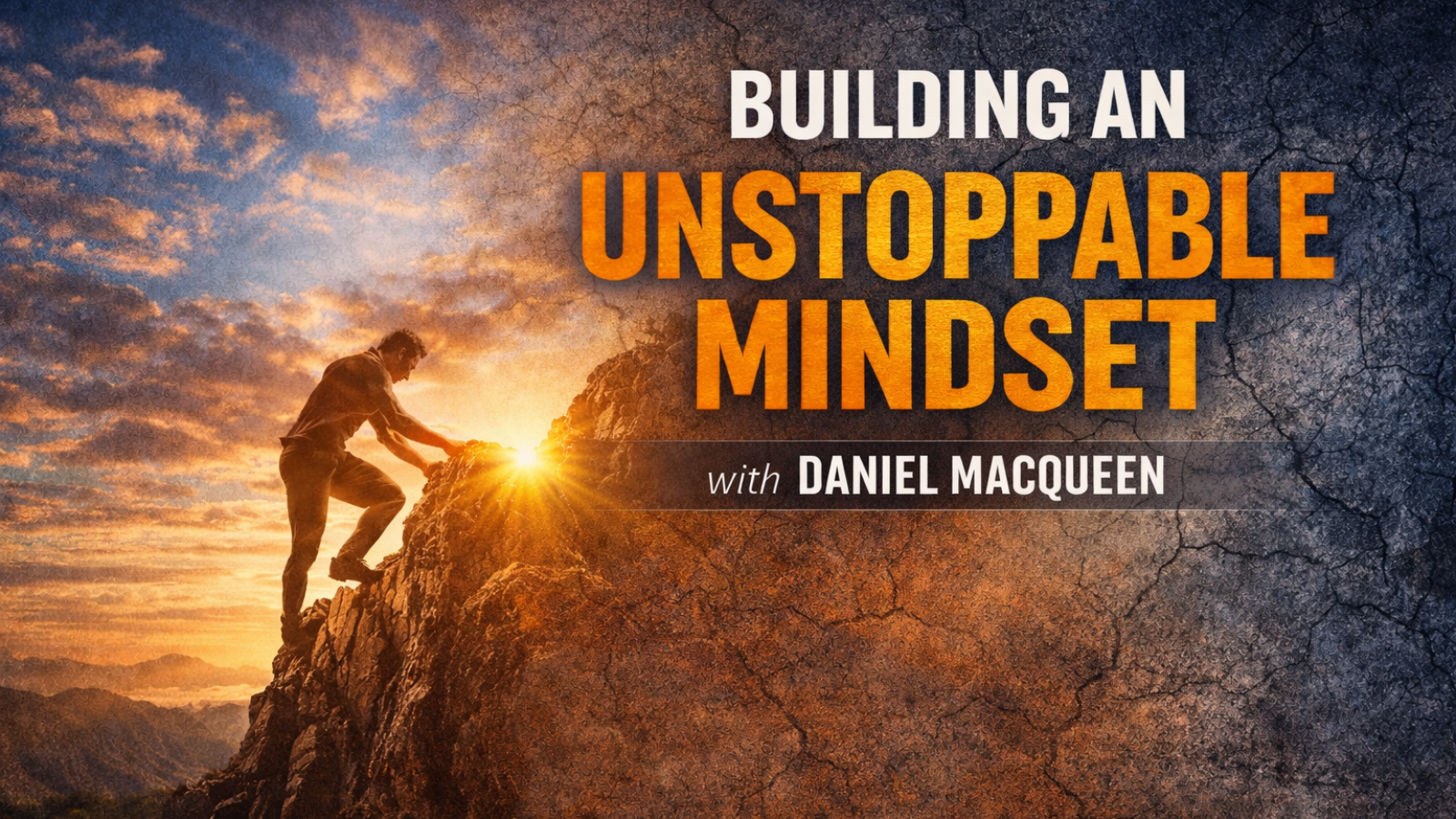
What Resilience Really Means
Resilience does not mean you never feel fear, grief, anxiety, anger, or exhaustion. It means you learn how to respond when those emotions show up. It means you stop measuring strength by how much you can hide and start measuring it by how honestly you can face what is real.
Across these stories, resilience shows up in ordinary decisions: going to therapy, getting sober, asking for help, taking a walk, making one healthy meal, calling a mentor, praying, journaling, showing up for treatment, or refusing to let one hard season define the rest of your life.
Resilience After Loss, Illness, and Setbacks
Some setbacks change the entire shape of a life. Cancer, grief, paralysis, brain injury, trauma, and sudden loss can make the future feel smaller. The guests featured here do not offer easy answers. They offer something better: proof that people can rebuild meaning after the life they expected is gone.
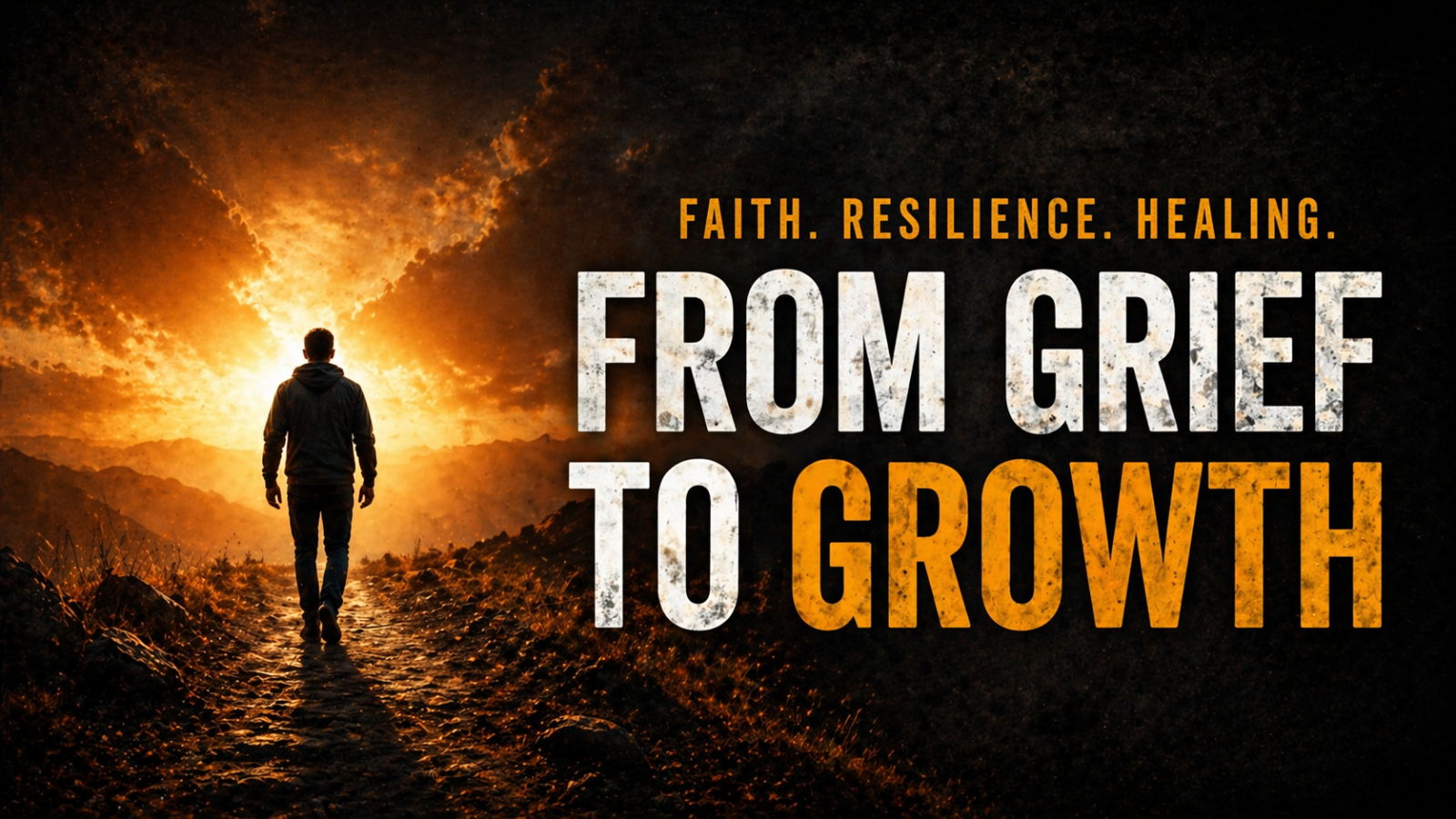 Featured StoryFaith, Resilience, and HealingHow grief, faith, daily habits, and purpose can help someone rebuild after loss.

Mindset, Purpose, and Daily Habits
Resilience is easier to sustain when life has direction. Purpose does not erase pain, but it can give pain a place to go. Daily habits matter too because no one feels strong all the time. On the days when motivation is low, structure can carry you.
 Featured StoryPurpose as a Resilience AnchorWhy purpose can help stabilize anxiety, depression, recovery, and seasons of uncertainty.

Practical Resilience Themes From These Stories
- Tell the truth. Resilience starts when denial stops running the show.
- Respond, do not only react. The event matters, but your response shapes the outcome.
- Build small routines. Sleep, movement, food, prayer, journaling, and connection create stability.
- Find the right people. Mentors, therapists, family, coaches, and community make hard seasons less isolating.
- Practice self-awareness. Notice your triggers, patterns, coping habits, and inner dialogue.
- Use purpose as direction. A meaningful reason to keep going can carry you through low-motivation days.
- Protect your inputs. What you consume mentally, physically, and socially affects how you respond.
- Keep going imperfectly. Progress often looks like one honest next step, not a dramatic breakthrough.
Podcast Episodes to Listen To


Frequently Asked Questions About Resilience
What does resilience actually mean?
Resilience is the ability to keep responding in a healthy direction after stress, loss, failure, trauma, or pressure. It does not mean you never struggle. It means you keep returning to support, truth, structure, and purpose.
Can resilience be learned?
Yes. The stories on Overcome show resilience being built through habits, mentorship, therapy, spiritual grounding, physical health, emotional awareness, and repeated practice.
What is one practical way to build resilience?
Start with one small routine you can repeat daily: a walk, a journal entry, a gratitude practice, a therapy appointment, a support call, or a simple plan for sleep and food. Small repeatable choices build trust with yourself.
Is resilience the same as being tough?
No. Toughness can sometimes mean hiding pain. Resilience is more honest. It includes asking for help, grieving, adjusting, learning, and choosing a healthier response.
Your Story Can Still Move Forward
Resilience does not require you to love what happened. It asks whether the hard thing gets to have the final word. These stories point to a different answer: people can rebuild, reconnect, recover, and become steadier than they were before.
Start with one story. Take one next step. Resilience grows when you keep showing up.