
Overcome Resource Guide
Mental Health: Real Stories, Honest Struggles, and Practical Ways to Keep Going
Mental health is not only about a diagnosis. It is about the hidden battles people carry, the support they need, the habits that help them stay steady, and the courage it takes to keep rebuilding when life gets heavy.
If you are here because anxiety, depression, burnout, grief, trauma, addiction, illness, or emotional exhaustion has touched your life, you are not alone. On Overcome With Travis White, guests have talked openly about the parts of mental health that are often kept quiet: getting out of bed, asking for help, living with bipolar disorder, managing anxiety, recovering after trauma, and finding strength when life will not let up.
This guide brings those stories together so you can find a place to start. Some articles explain therapy and support. Some share lived experience. Some focus on habits, sleep, resilience, faith, purpose, and the daily work of staying alive to your own future.
Choose What You Need Right Now
You do not need to read everything at once. Choose the path that feels closest to what you are carrying today.
Start Here If You Feel Overwhelmed
When your mental health is strained, the first step does not have to be dramatic. It can be naming what is true, reading one story that makes you feel less alone, or learning what kind of support might actually help.
 Featured StoryTherapy and SupportWhat mental health therapy really is, and what people often misunderstand about it.
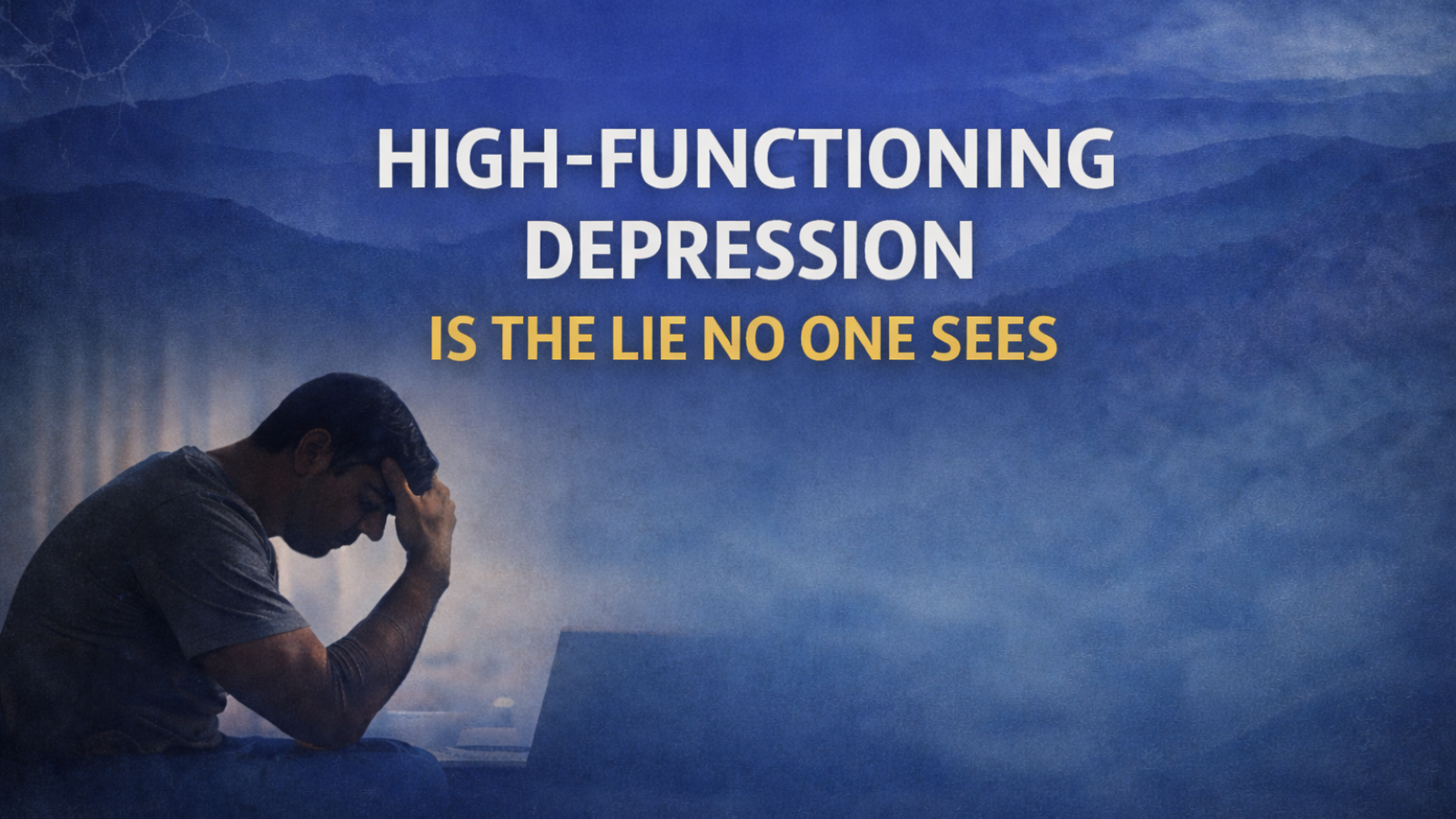

What Mental Health Really Looks Like
Mental health struggles rarely arrive in one clean category. Anxiety can show up as overthinking, avoidance, irritability, perfectionism, or isolation. Depression can look like sadness, numbness, exhaustion, anger, or simply going through the motions. Trauma can live in the body long after the danger has passed.
That is why the stories on Overcome matter. They do not reduce people to symptoms. They show real lives: athletes, parents, leaders, survivors, people of faith, people in recovery, and people who had to learn how to ask for help before things got worse.
Anxiety, Depression, and the Hidden Load
Anxiety and depression can become especially painful when they are invisible to everyone else. A person may keep working, parenting, performing, or smiling while privately feeling trapped in a mind that will not quiet down.
These stories help name that hidden load. They also point toward practical support: therapy, honest conversations, healthier routines, movement, rest, and learning to stop treating emotional pain as a personal failure.
 Featured StoryAnxiety ToolsJim Schreiber on managing anxiety, isolation, and mental health pressure.


Trauma, Illness, and Mental Health Recovery
Mental health is deeply connected to what happens to the body and what happens in a person’s story. Trauma, chronic illness, brain injury, seizures, cancer, grief, and family pain can all reshape how someone thinks, feels, sleeps, relates, and hopes.
Recovery does not mean pretending those things were small. It means learning how to carry them differently, get the right support, and rebuild a life that is bigger than what happened.
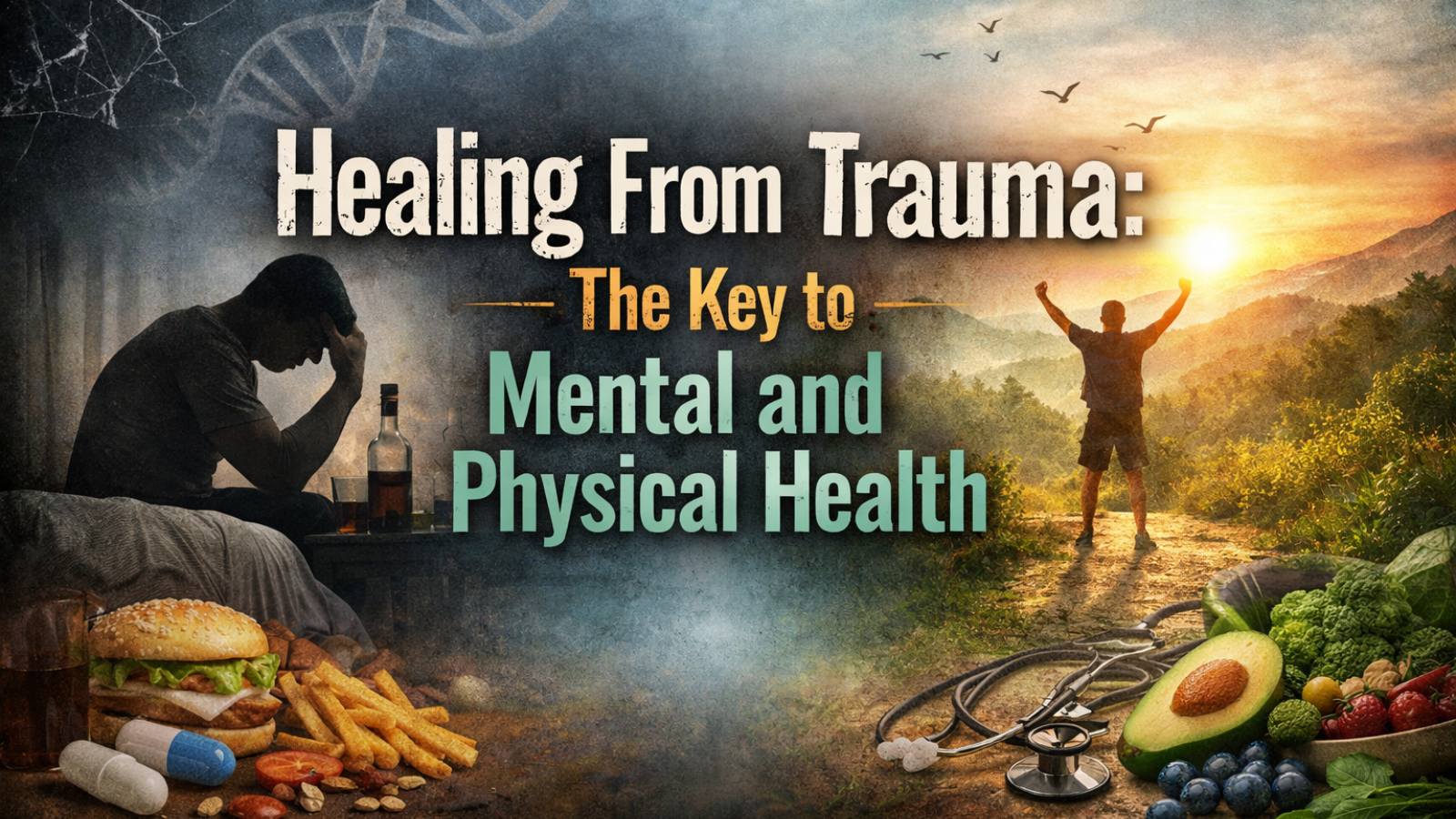 Featured StoryTrauma and PTSDHealing from trauma, PTSD, gut health struggles, and emotional survival.

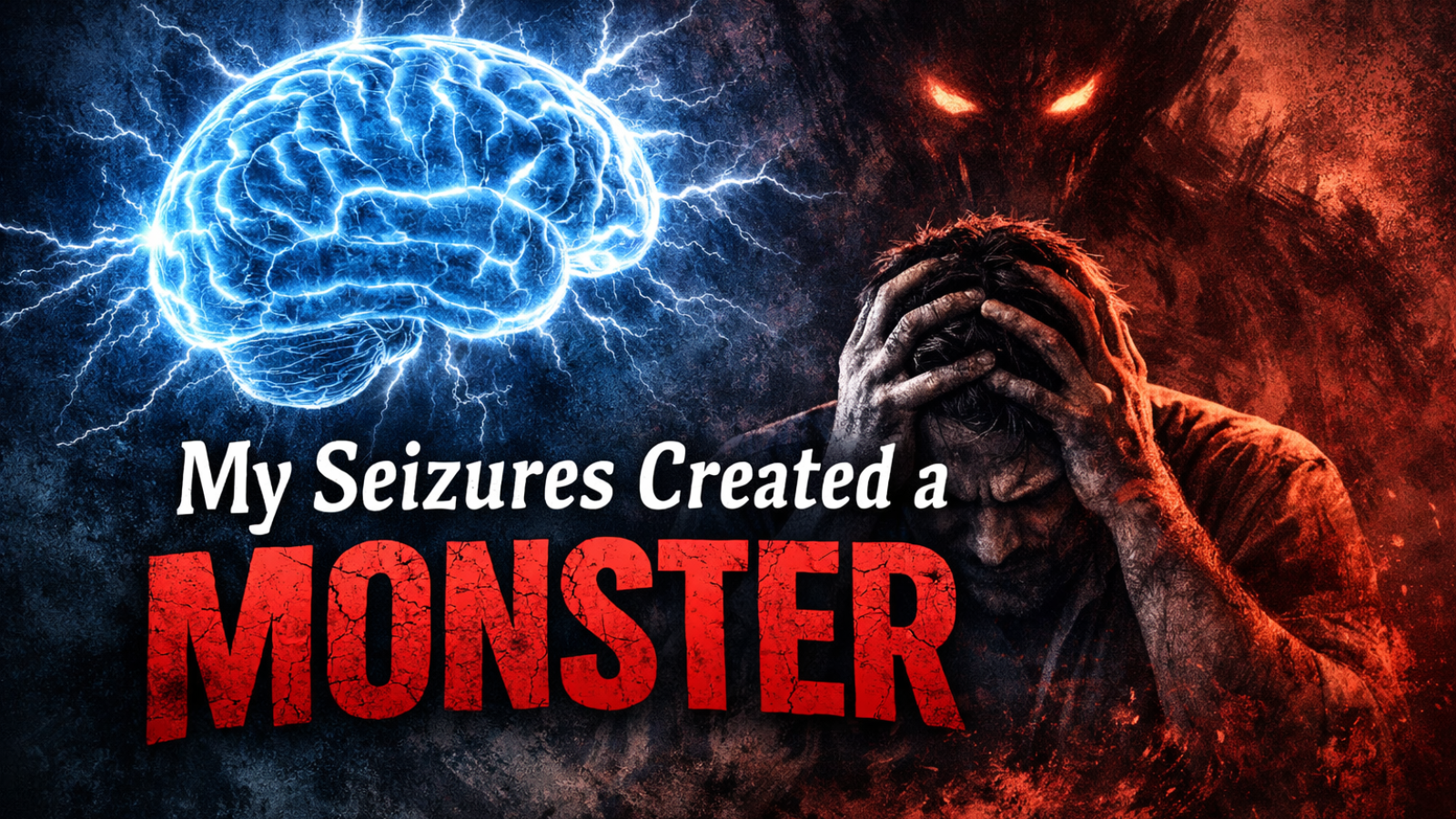
Resilience, Purpose, and Daily Support
Resilience is not pretending everything is fine. It is the practiced ability to keep returning to what is true, healthy, and meaningful. Many Overcome guests describe resilience as something built through small daily choices: getting help, moving the body, changing self-talk, leaning on community, telling the truth, and finding a reason to keep going.
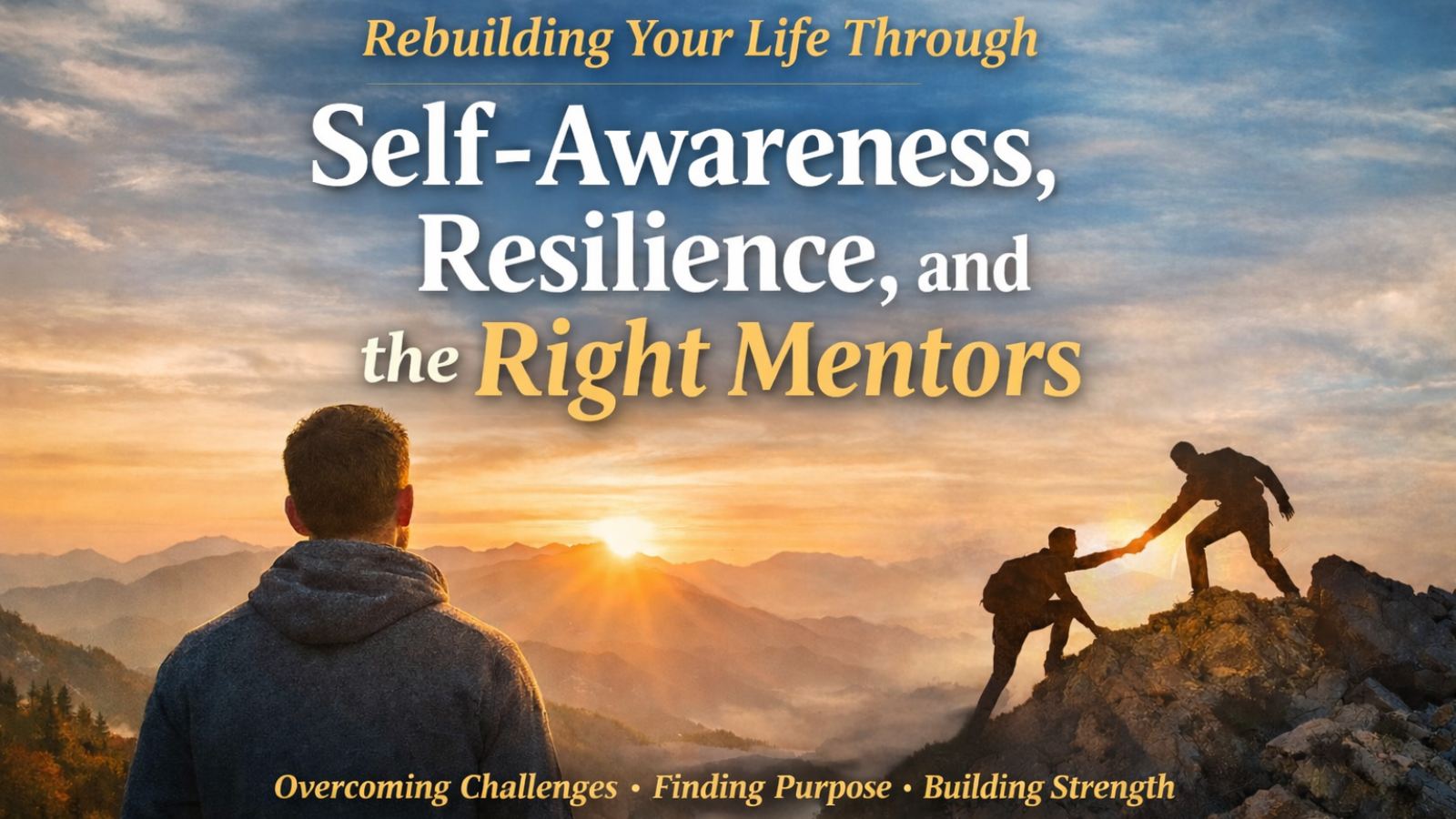 Featured StorySelf-Awareness and ResilienceWalter Dusseldorp on mentorship, resilience, gratitude, and emotional growth.


Practical Mental Health Themes From These Stories
- Tell the truth sooner. Pain gets heavier when it stays hidden.
- Ask for support. Therapy, coaching, medical care, community, and trusted people all have a role.
- Protect sleep. Rest affects mood, anxiety, patience, decision-making, and resilience.
- Move your body. Movement can help rebuild confidence, regulation, and self-trust.
- Notice the patterns. Anxiety, depression, trauma, and burnout often have triggers and warning signs.
- Build honest routines. Small repeatable choices are more useful than waiting to feel motivated.
- Stay connected. Isolation makes many struggles louder.
- Keep purpose close. A meaningful reason to keep going can help carry you through hard seasons.
Podcast Episodes to Listen To
If You Need Help Right Now
This guide is not medical advice and is not a substitute for professional care. If you or someone you know is in immediate danger or having a medical emergency, call 911 or go to the nearest emergency room. If you are in the United States and struggling or in crisis, you can call or text 988, or chat at 988lifeline.org, to reach the 988 Suicide & Crisis Lifeline.
Frequently Asked Questions About Mental Health
What is the first step when your mental health feels bad?
A good first step is to tell the truth to someone safe: a therapist, doctor, trusted friend, family member, mentor, or crisis support line. You do not have to know the perfect solution before asking for help.
Does therapy mean something is wrong with me?
No. Therapy is support for understanding patterns, processing pain, building coping skills, and making healthier choices. Many people use therapy before they reach a crisis point.
Can routines really help mental health?
Routines are not a cure-all, but they can create stability when emotions feel unstable. Sleep, movement, food, connection, and a simple daily structure can make support easier to use.
Why do people hide depression or anxiety?
People often hide mental health struggles because of shame, fear of being misunderstood, pressure to perform, or the belief that they should be able to handle it alone. Honest support can interrupt that isolation.
You Are Not Your Worst Season
Mental health struggles can make life feel smaller than it really is. The stories on Overcome point to a different truth: people can ask for help, rebuild their habits, tell the truth, heal old wounds, and find meaning again.
Start with one story. Take one honest step. You do not have to carry everything alone.