

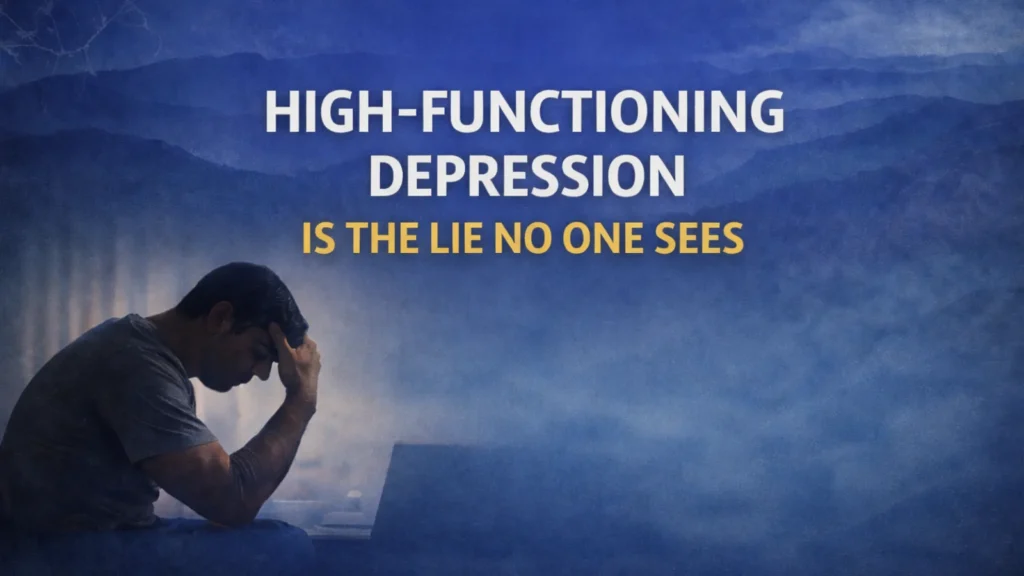
High-Functioning Depression Is the Lie No One Sees
What if the person who looks the most put together is actually the one struggling the most?
That is the tension at the center of this episode of Overcome with Travis White. High-functioning depression is one of the easiest forms of emotional pain to miss because from the outside, life can still look normal. The person is still working. Still showing up. Still answering texts. Still getting things done. But internally, something feels heavy, numb, disconnected, or quietly exhausting.
This is why high-functioning depression is so dangerous. It hides behind productivity. It blends in with ambition, responsibility, and routine. And because someone can still function, people often assume they must be okay.
They are not always okay.
In this episode, we explore the reality of high-functioning depression, what it actually looks like behind closed doors, why so many people go unnoticed, and what it takes to stop confusing performance with peace.
What high-functioning depression really looks like
For more stories about hidden anxiety, depression, and recovery, visit the Anxiety and Depression Recovery hub.
High-functioning depression does not always look like someone unable to get out of bed. Sometimes it looks like someone who keeps getting out of bed no matter how empty they feel.
They may look dependable, disciplined, and productive. They may be the person others lean on. They may keep their house clean, meet deadlines, show up for work, and keep smiling in public. But underneath all of that effort, they may feel flat, exhausted, hopeless, or emotionally disconnected.
That disconnect is what makes it so hard to recognize. We tend to assume that if someone is functioning, they must be fine. But functioning is not the same as thriving. Functioning is not the same as peace. And functioning is not proof that someone is not hurting.
The lie no one sees
The lie behind high-functioning depression is simple: If I can still perform, then my pain must not be that serious.
That belief keeps people quiet for years.
It tells them that because they are still showing up, they do not need help. It tells them that because someone else has it worse, they should not complain. It tells them that because they are still productive, what they feel is not valid enough to name.
But hidden pain is still pain.
And when depression gets minimized long enough, people start building an identity around pretending they are okay. They become known as strong, reliable, calm, capable, and low-maintenance. The mask works so well that even the people closest to them may not realize how much they are carrying.
High-functioning depression survives in the gap between how someone looks and how they actually feel.
Why people miss the signs
One reason high-functioning depression is overlooked is because many of its signs do not match the stereotype people expect. Instead of obvious collapse, it can show up as quiet burnout, irritability, overworking, emotional numbness, constant fatigue, trouble feeling joy, or a sense that life has become something to manage instead of experience.
Some people become experts at staying busy so they never have to sit still with what they feel. Others become so used to carrying emotional weight that they assume this is just adulthood. Over time, sadness can get renamed as stress. Numbness gets renamed as discipline. Isolation gets renamed as needing space.
But the body often tells the truth eventually. What gets buried emotionally tends to surface somewhere else through exhaustion, anxiety, lack of motivation, hopelessness, or a constant sense of inner pressure.
The cost of looking fine on the outside
That pressure overlaps with why young adults often hide mental health struggles.
There is a real cost to being the person who always looks fine.
When people expect strength from you, it becomes harder to admit that you are struggling. When your identity is tied to being dependable, slowing down can feel like failure. When others only know your polished version, vulnerability starts to feel risky.
This can create a lonely kind of suffering. You are surrounded by people, but very little of the real you feels seen. You keep performing because you do not know how to explain what is happening. You keep producing because rest feels unfamiliar. You keep smiling because honesty feels inconvenient.
That is how hidden depression deepens. Not always through dramatic breakdowns, but through long stretches of emotional disconnection that no one interrupts.
Why productivity can become a mask
When productivity becomes a disguise, it often connects with the inner critic and harsh self-talk.
For many people, productivity becomes both coping mechanism and cover.
If they stay busy enough, they can avoid the silence. If they achieve enough, maybe they will finally feel okay. If they keep moving, maybe the heaviness will not catch up to them.
But productivity cannot heal what has not been acknowledged.
In fact, success can sometimes make hidden depression harder to confront because external results create internal confusion. Someone thinks, I have a job. I am getting things done. People respect me. Why do I still feel this way?
That question can carry a lot of shame. But it should not. Depression does not always wait for life to fall apart. Sometimes it shows up in the middle of a life that looks functional from the outside and depleted on the inside.
What healing starts to require
For broader mental health support and stories, explore the Mental Health hub.
For a practical next step, this guide explains what mental health therapy really is and why it is not only for crisis moments.
Healing usually begins with honesty.
Not dramatic honesty. Not performative honesty. Just the kind that says: Something is off. I am tired in a way sleep is not fixing. I do not feel like myself. I can keep going, but I do not feel okay.
That kind of truth matters because it breaks the illusion that pain only counts when it becomes visible to everyone else.
From there, healing can look different for different people. It may include therapy, more honest conversations, rest, better boundaries, support from trusted people, medical help, spiritual reflection, journaling, or finally grieving what has been carried alone. The point is not to fix everything overnight. The point is to stop hiding from what is real.
What this episode makes clear
This episode matters because it gives language to a form of depression many people live with in silence. It reminds listeners that emotional pain does not need to become dramatic before it deserves attention. It challenges the idea that keeping it together is the same thing as being healthy. And it gives people permission to question the version of strength they have been living by.
If you have been functioning but not feeling okay, this conversation will likely hit close to home.
If you know someone who always looks composed but seems emotionally distant, this conversation may help you understand them differently.
And if you have spent years convincing yourself that your pain is not serious because your life still looks normal, this episode is a reminder that hidden struggles still deserve real care.
What we discussed in this episode
- What high-functioning depression actually looks like
- Why productive people often go unnoticed when they are struggling
- The emotional cost of looking fine on the outside
- How productivity can become a mask for pain
- Why hidden depression is still real depression
- How honesty becomes the first step toward healing
Listen to the episode
Listen to the full episode of Overcome with Travis White and explore the truth behind high-functioning depression, emotional burnout, and hidden pain.
Signs High-Functioning Depression May Be Hiding in Plain Sight
Quick answer: High-functioning depression can look like getting things done while feeling numb, exhausted, ashamed, or disconnected inside. The outside life may keep moving, but the inner cost keeps growing.
Common signs can include performing well while privately collapsing, losing joy, feeling irritable or empty, using achievement to avoid pain, and believing you are not allowed to need help.
Related Overcome resources
- Anxiety and depression recovery stories
- The hidden mental health crisis in young adults
- What mental health therapy really is
- How to silence your inner critic
Frequently asked questions
What is high-functioning depression?
It is a common phrase for depression that is hidden behind normal responsibilities or achievement. A person may appear fine while privately struggling with low mood, numbness, fatigue, or hopelessness.
Can someone be depressed and still productive?
Yes. Productivity does not rule out depression. Some people keep performing because responsibility, fear, or habit pushes them forward.
What helps high-functioning depression?
Helpful steps can include honest support, therapy, medical evaluation, rest, reducing isolation, and changing patterns that reward performance while ignoring pain.