
Overcome Resource Guide
Anxiety and Depression Recovery Stories
Real conversations about anxiety, depression, hidden mental health struggles, and the practical steps people use to keep going when their mind feels heavy.
If you are looking for anxiety and depression recovery stories, start here. On Overcome With Travis White, guests talk honestly about the parts of mental health that often stay hidden: panic, numbness, high-functioning depression, isolation, bipolar disorder, suicidal thoughts, burnout, identity loss, and the slow work of asking for help.
This guide brings those conversations together so readers can find stories that feel human, practical, and grounded. It is not a replacement for professional care, but it can help someone feel less alone and see what recovery can look like in real life.
Choose Your Next Step
Start with the kind of support that feels most useful today.
Start With Honest Recovery Stories
Anxiety and depression can make a person feel like they are the only one struggling this way. Stories interrupt that isolation. They show what it looks like when someone admits they are not okay, gets support, and starts rebuilding one choice at a time.
 Featured StoryOvercoming Anxiety and DepressionJosh Copeland on pressure, identity, sports, anxiety, depression, and rebuilding after a painful season.
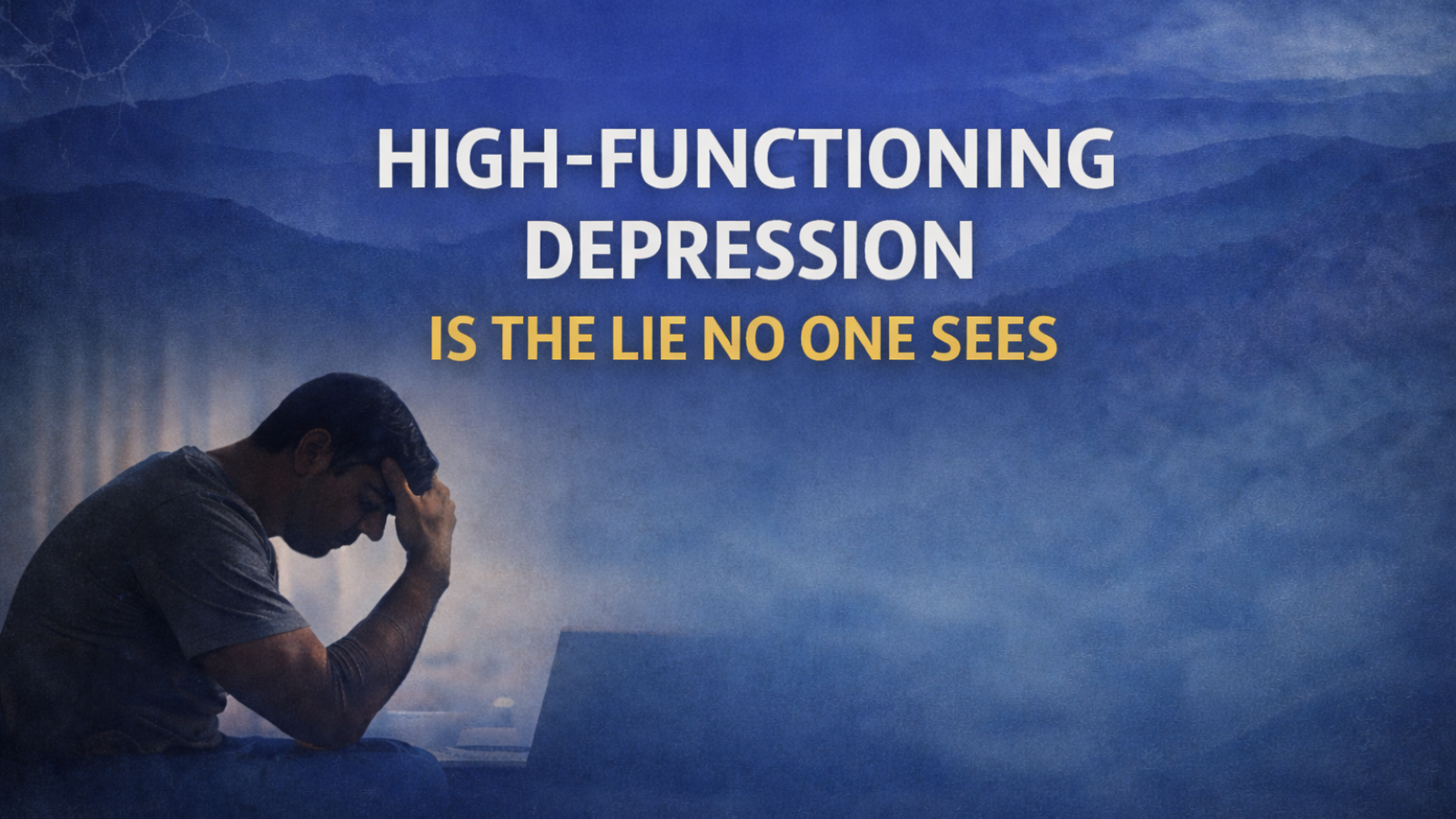

What Anxiety and Depression Can Look Like
Anxiety does not always look like panic. It can look like overthinking, irritability, avoidance, people-pleasing, perfectionism, isolation, or a body that never feels fully safe. Depression does not always look like crying. It can look like numbness, exhaustion, anger, disconnection, sleeping too much, or forcing yourself through life on autopilot.
That is why recovery stories matter. They give language to symptoms people may not know how to explain. They also remind readers that getting help is not weakness. It is often the first honest step back toward life.
Practical Tools for Anxiety and Isolation
Recovery is not only about insight. It is also about support, habits, nervous system regulation, rest, and connection. The stories below explore what people do when anxiety gets loud, when isolation starts to close in, and when the next step needs to be simple enough to actually take.
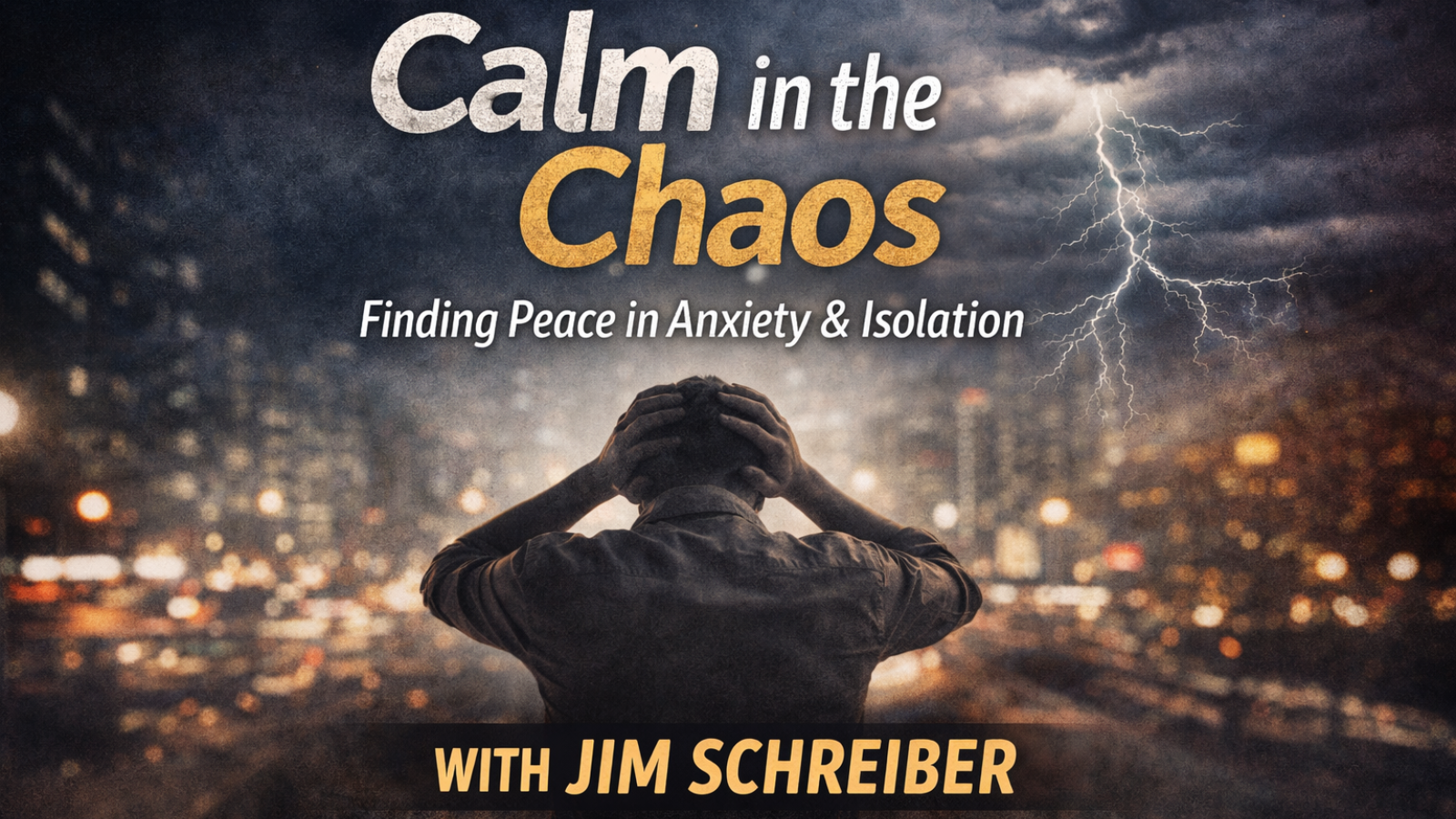 Featured StoryAnxiety ToolsJim Schreiber on managing anxiety, isolation, and mental health pressure.

Bipolar Disorder, Chronic Depression, and Hard Seasons
Some mental health struggles are not quick seasons. They can involve diagnosis, medication, relapse, repeated lows, and learning how to live with a mind that does not always feel predictable. These stories are important because they are honest about the long road without making hope feel fake.
 Featured StoryLiving With Bipolar DisorderTyler Kania on identity, strength, recovery, and learning to live honestly with bipolar disorder.
Sleep, Breathwork, Therapy, and Support
Small practices do not erase anxiety or depression, but they can create enough steadiness to make support easier to use. Sleep, breathwork, therapy, movement, nutrition, honest routines, and trusted relationships all show up again and again in recovery stories.
 Featured StoryTherapy and SupportWhat mental health therapy really is, and what people often misunderstand about getting help.

Common Recovery Themes From These Stories
- Name what is happening. Anxiety and depression get heavier when they stay vague and hidden.
- Ask for help earlier. Therapy, medical care, crisis support, mentors, and trusted people all matter.
- Protect sleep and rhythm. Rest affects mood, anxiety, patience, focus, and resilience.
- Move when you can. Movement can rebuild confidence, regulation, and self-trust.
- Reduce isolation. Connection can interrupt the thoughts that grow louder in private.
- Look for patterns. Triggers, warning signs, and recurring thoughts can point toward the support you need.
- Build small routines. Recovery often grows through repeatable actions, not one perfect breakthrough.
- Keep purpose close. A meaningful reason to keep going can carry people through dark seasons.
Podcast Episodes to Listen To
If You Need Help Right Now
This guide is not medical advice and is not a substitute for professional care. If you or someone you know is in immediate danger or having a medical emergency, call 911 or go to the nearest emergency room. If you are in the United States and struggling or in crisis, you can call or text 988, or chat at 988lifeline.org, to reach the 988 Suicide & Crisis Lifeline.
Frequently Asked Questions About Anxiety and Depression Recovery
What is the first step in anxiety and depression recovery?
A good first step is telling the truth to someone safe: a therapist, doctor, trusted friend, family member, mentor, or crisis support line. You do not need the perfect words before asking for help.
Can anxiety and depression get better?
Many people improve with the right combination of support, professional care, medication when appropriate, therapy, routines, sleep, movement, connection, and time. Recovery can look different for each person.
Why do people hide anxiety or depression?
People often hide symptoms because of shame, pressure to perform, fear of being misunderstood, or the belief that they should be able to handle it alone. Honest support can interrupt that isolation.
Are recovery stories a substitute for therapy?
No. Recovery stories can help someone feel seen and less alone, but they are not a substitute for medical care, therapy, crisis support, or professional mental health treatment.
You Are Not Alone in This
Anxiety and depression can make life feel smaller than it really is. The stories on Overcome point to a different truth: people can ask for help, rebuild their habits, tell the truth, heal old wounds, and find meaning again.
Start with one story. Take one honest step. You do not have to carry everything alone.