
Overcome Resource Guide
Trauma Healing and PTSD Recovery: Real Stories, Support, and Steps Forward
Trauma healing is not about pretending the past did not happen. It is about learning how pain shaped your body, mind, relationships, and sense of safety, then taking honest steps toward support, steadiness, and hope.
If trauma, PTSD, childhood pain, grief, medical fear, injury, betrayal, or family dysfunction has touched your life, you are not weak for still feeling the effects. Trauma can change how you sleep, trust, think, react, parent, work, and relate to yourself.
On Overcome With Travis White, guests have shared what it looks like to heal after assault, PTSD, childhood trauma, family cycles, brain injury, seizures, addiction, grief, and moments that changed their sense of safety. This hub brings those stories together so you can find language, encouragement, and a place to begin.
Choose Your Next Step
You do not have to process everything at once. Begin with understanding, a lived story, or immediate support.
Start Here: Healing From Trauma Takes Honesty and Support
Trauma often hides underneath normal-looking functioning. A person can keep working, smiling, parenting, performing, and helping everyone else while privately living in survival mode. Healing starts when you stop calling survival the same thing as being okay.
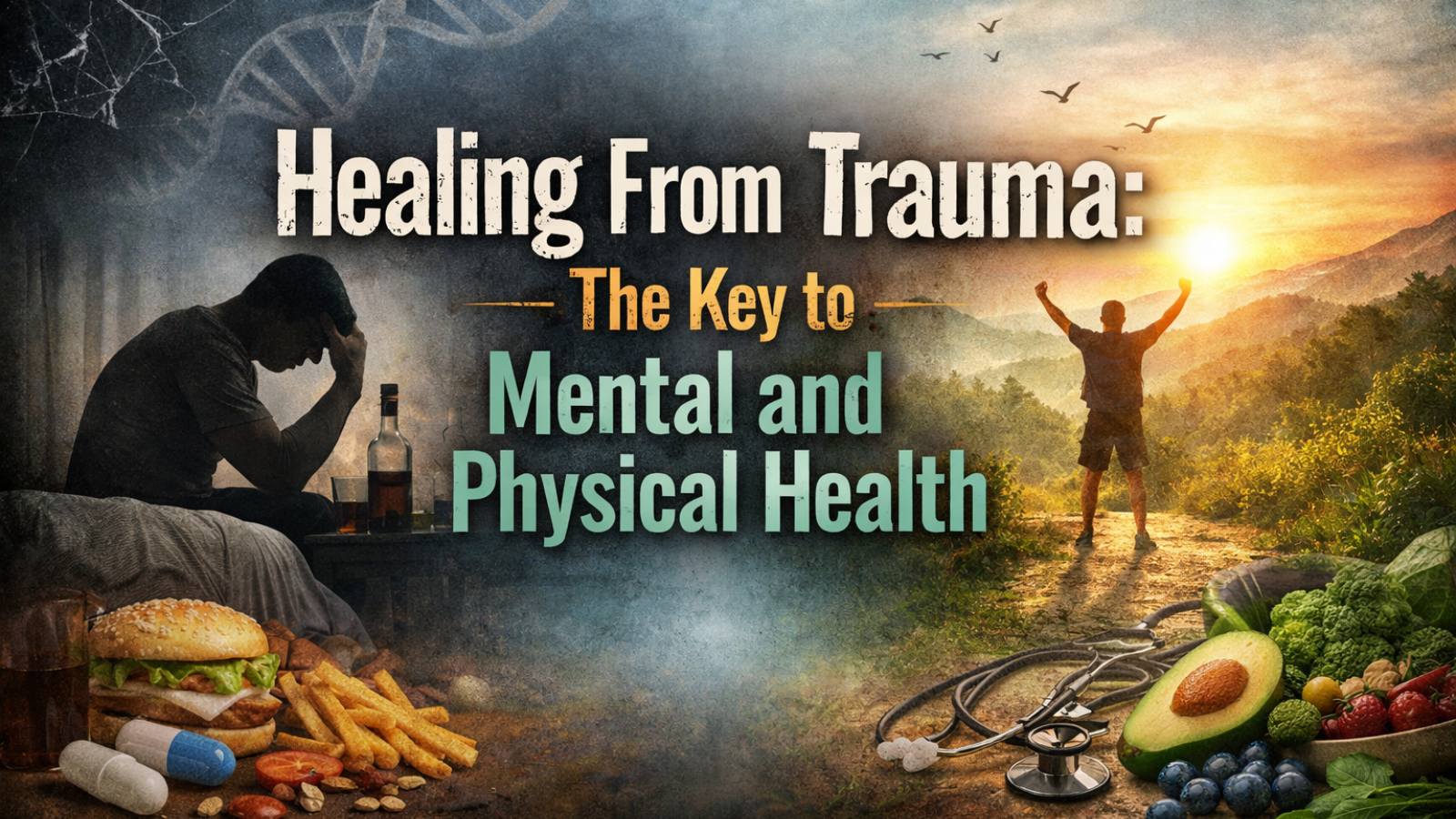 Featured StoryHealing From TraumaDr. Stephan Neff on trauma, PTSD, gut health, coping patterns, and why mental and physical health cannot be separated.

What Trauma Can Do to the Mind and Body
Trauma is not only a memory. It can become a pattern in the nervous system. It can show up as hypervigilance, numbness, anger, avoidance, people-pleasing, panic, shame, digestive issues, sleep problems, addiction patterns, or the feeling that your body is never fully safe.
That is why trauma healing needs compassion and practical support. Therapy can help. Medical care can help. Movement, sleep, nutrition, community, faith, journaling, boundaries, and nervous-system regulation can also become part of the process. Healing is rarely one lane.
PTSD, Fear, and Rebuilding Safety
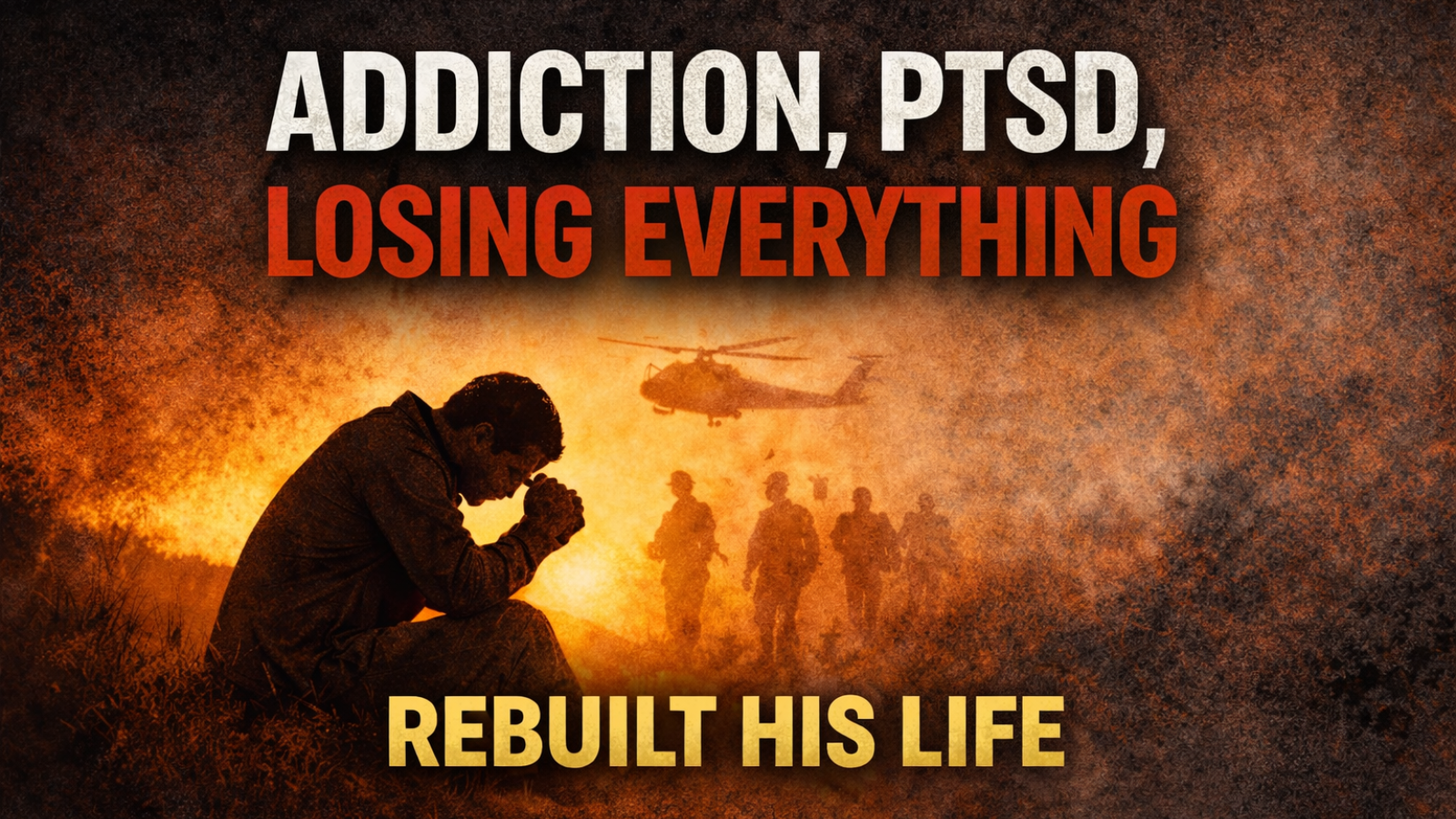
PTSD can make the past feel present. Something that happened once can keep echoing through daily life: in startle responses, nightmares, avoidance, anger, panic, emotional shutdown, or the sense that danger could return at any moment.
Several Overcome stories show that rebuilding safety takes time. It often means telling the truth about what happened, learning what triggers the body, getting the right support, and building repeatable practices that help the mind and body believe the present is not the past.
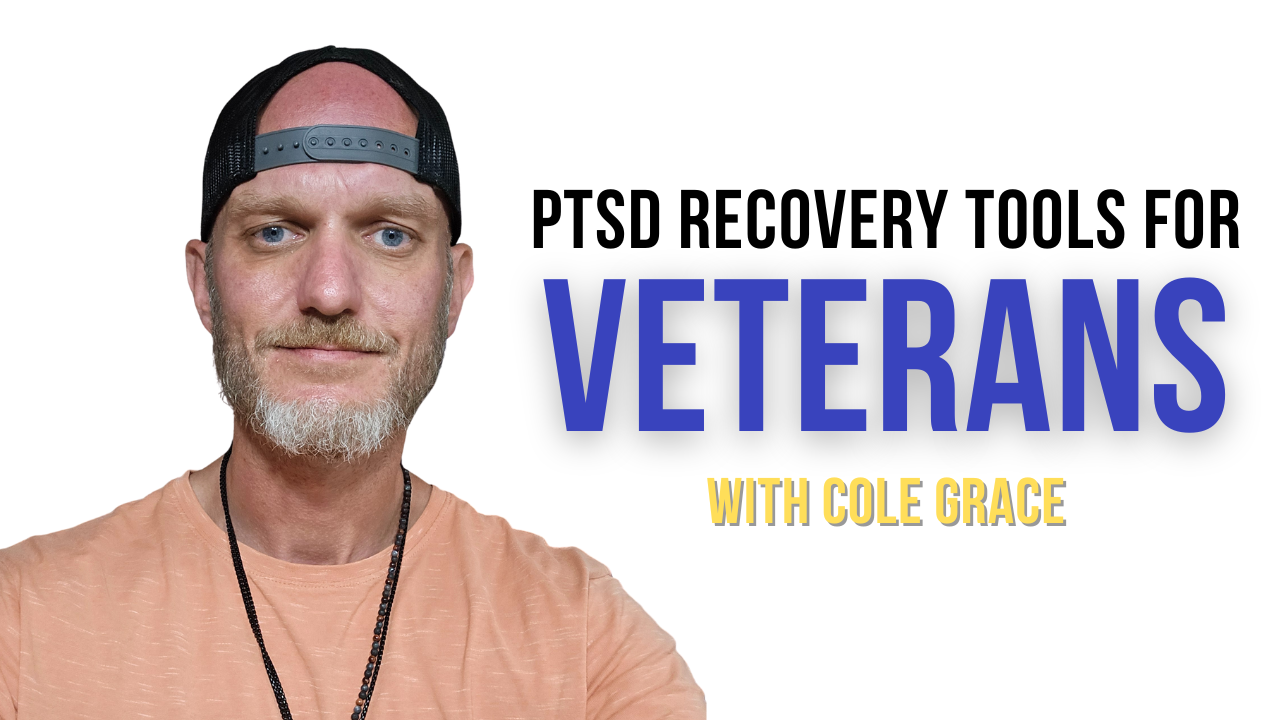 Featured StoryPTSD Recovery ToolsCole Grace on EMDR, gratitude, mission, faith, and healing after military trauma.
Medical Trauma, Injury, and Losing Trust in Your Body
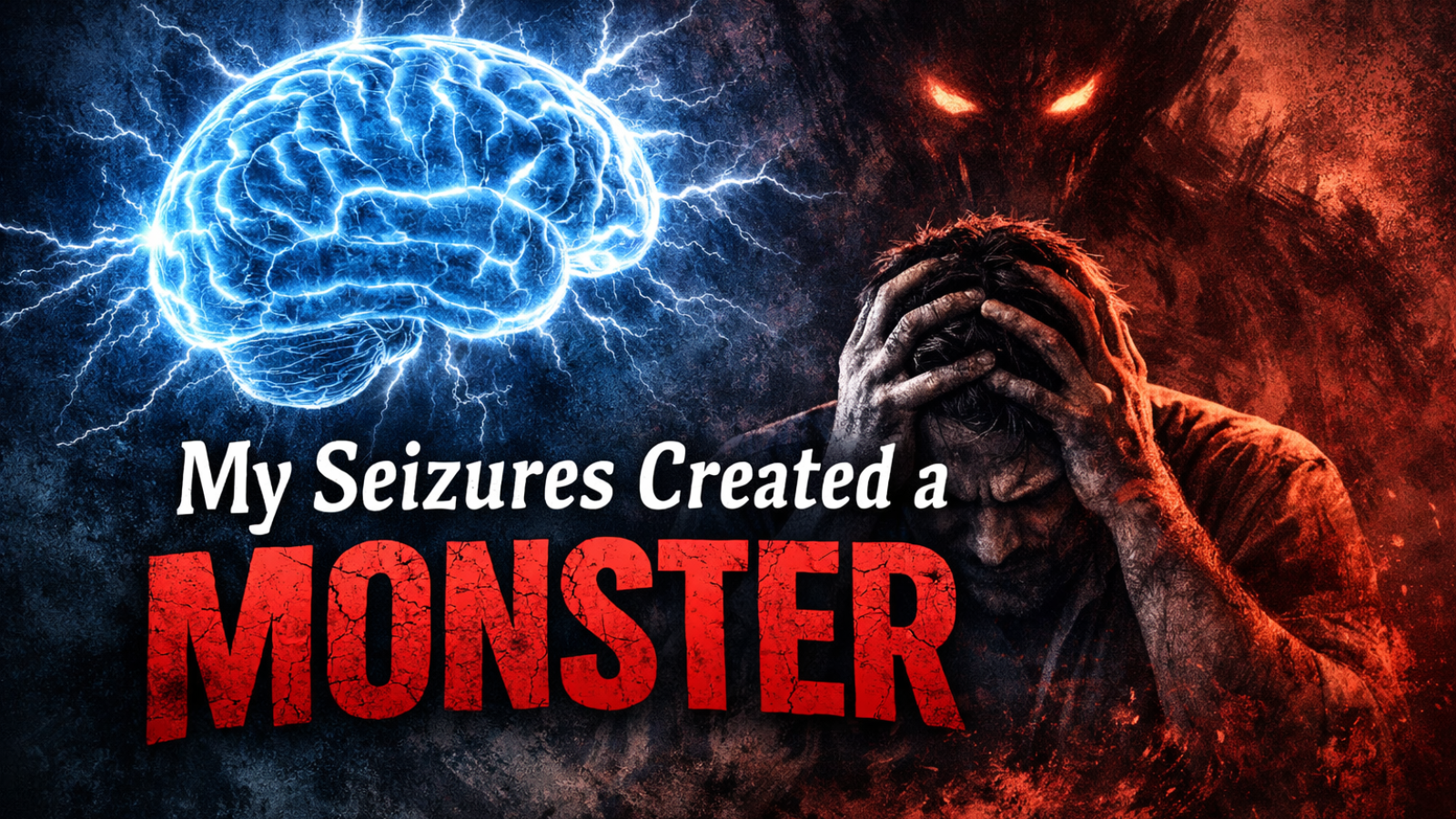
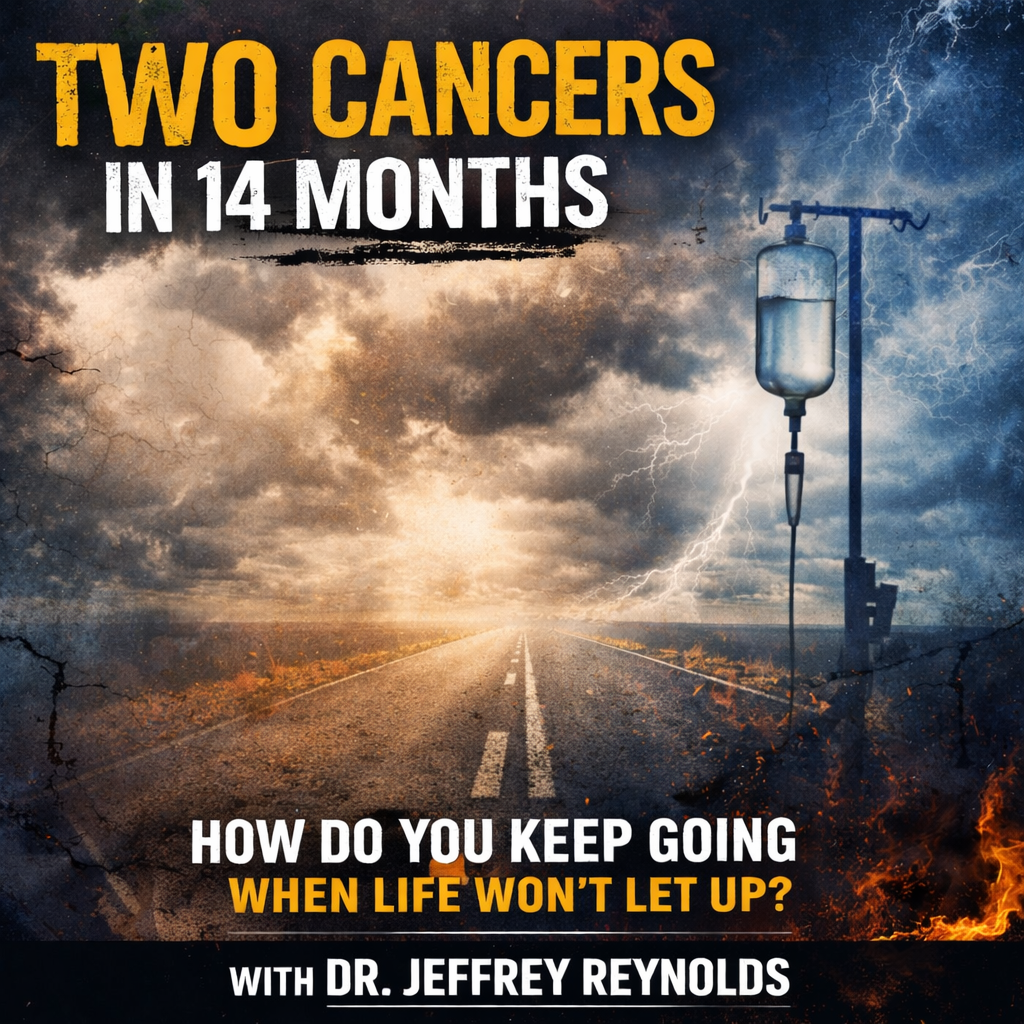
Some trauma begins when the body stops feeling predictable. Seizures, concussions, brain injury, chronic illness, cancer, and medical emergencies can leave people anxious, guarded, isolated, and unsure how to trust themselves again.
These stories are a reminder that physical recovery and emotional recovery are connected. When your body has been through something frightening, healing may include rebuilding confidence, getting informed support, and taking your life back in pieces.
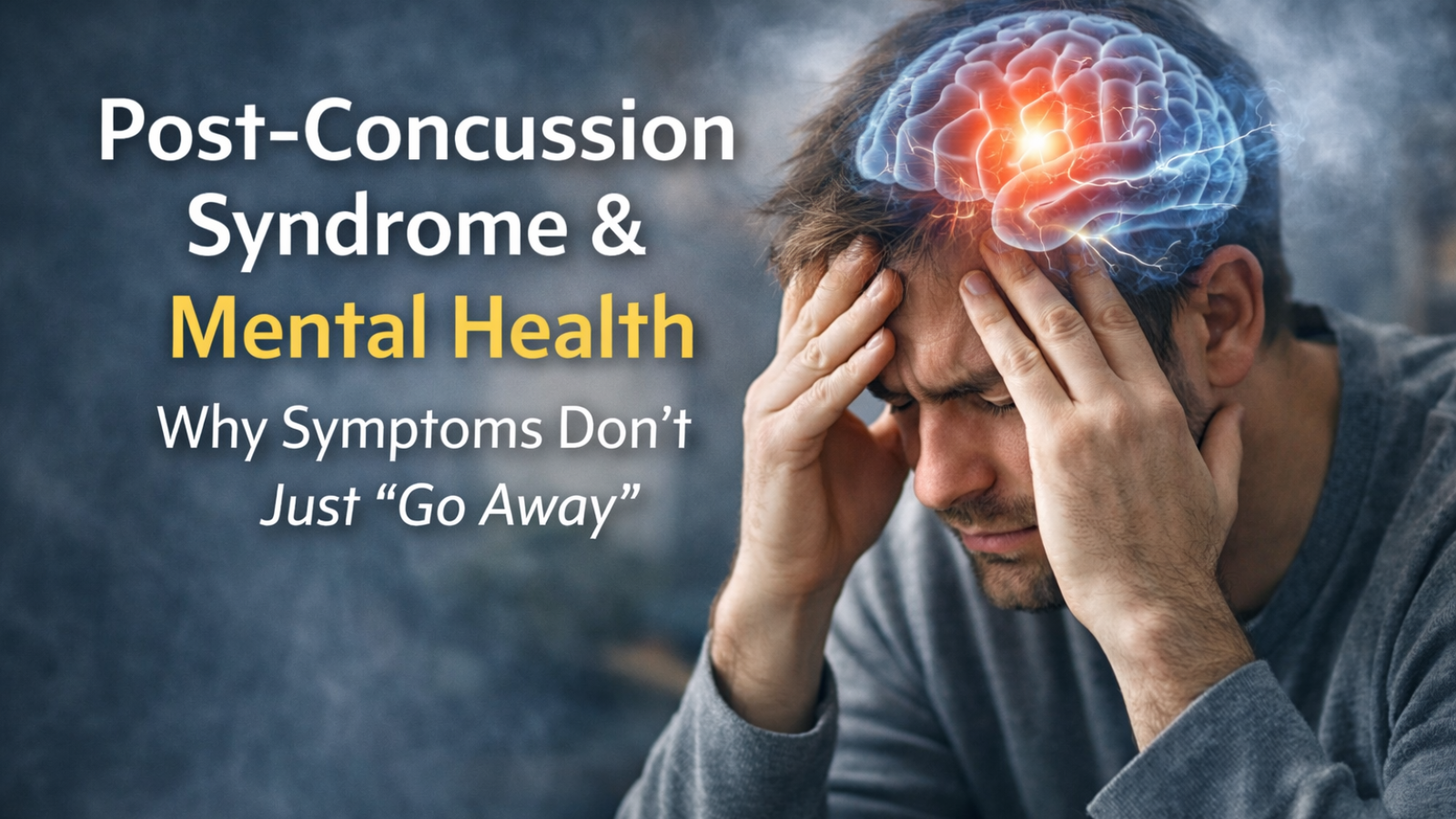 Featured StoryBrain Injury and Mental HealthNate Pope on post-concussion symptoms, emotional strain, and why recovery can still be possible.
Practical Trauma Healing Themes From These Stories
- Name what happened. Healing gets harder when pain has no language.
- Stop minimizing survival mode. Functioning is not the same as being fully well.
- Get safe support. Therapy, medical care, crisis resources, trusted people, and peer support can all matter.
- Notice your triggers. Triggers are information, not proof that you are broken.
- Rebuild trust slowly. Your body may need repeated evidence of safety.
- Care for the body. Sleep, food, movement, breath, and medical follow-through affect emotional recovery.
- Set boundaries. Healing often requires less access for what keeps reopening the wound.
- Hold hope gently. Progress may be slow and still be real.
Podcast Episodes to Listen To
If You Need Help Right Now
This guide is educational and is not a substitute for professional medical or mental health care. If you or someone you know is in immediate danger or having a medical emergency, call 911 or go to the nearest emergency room. If you are in the United States and struggling or in crisis, call or text 988, or chat at 988lifeline.org, to reach the 988 Suicide & Crisis Lifeline.
Frequently Asked Questions About Trauma Healing
What is trauma healing?
Trauma healing is the process of understanding how painful experiences affected your mind, body, relationships, and sense of safety, then getting support and building practices that help you live with more steadiness and freedom.
Does trauma always cause PTSD?
No. Trauma can affect people in many ways, and not everyone develops PTSD. But if symptoms like flashbacks, nightmares, avoidance, hypervigilance, numbness, panic, or intense distress continue, professional support can be important.
Why does trauma affect the body?
Trauma can activate survival responses in the nervous system. That can affect sleep, digestion, muscle tension, heart rate, energy, mood, and how safe a person feels in ordinary situations.
What is one first step toward healing?
One first step is telling the truth to someone safe: a therapist, doctor, trusted friend, support group, pastor, mentor, or crisis resource. Healing usually becomes more possible when pain is no longer carried alone.
The Past Does Not Get the Final Word
Trauma can make life feel smaller, guarded, and defined by what happened. These stories point toward something different. People can name the wound, get support, rebuild trust, care for their bodies, set boundaries, and slowly become more free.
Start with one story. Take one honest step. Healing does not have to happen all at once to be real.